Downward Facing Balance
A intermediate strength exercise for the glutes, done with a exercise ball.
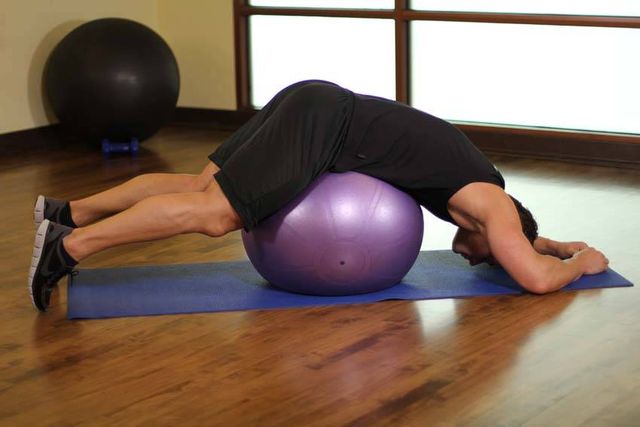
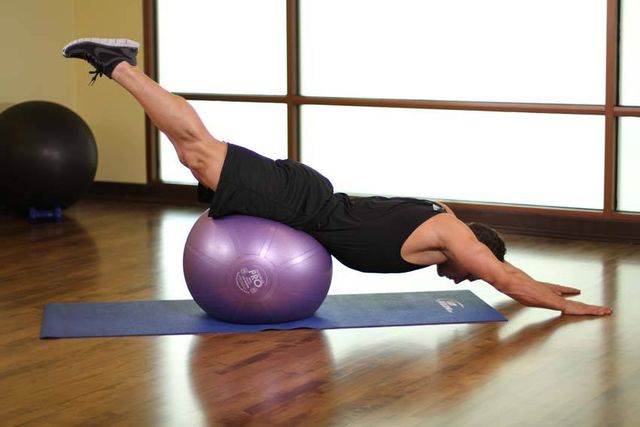
- Main muscles
- Glutes
- Also works
- Abs and Hamstrings
- Equipment
- Exercise ball
- Level
- Intermediate
- Type
- Isolation
- Movement
- Static
How to do the Downward Facing Balance
- Lie facedown on top of an exercise ball.
- While resting on your stomach on the ball, walk your hands forward along the floor and lift your legs, extending your elbows and knees.
Sets and reps
| Muscle | 3–4 sets of 10–15 reps, rest 60–90 seconds |
|---|---|
| Pump or finisher | 2–3 sets of 15–20 reps, rest 45–60 seconds |
Log every set in MyoStats and it works out your estimated one-rep max and suggests the next weight or rep target, so you keep progressing without guessing.
Alternatives to the Downward Facing Balance
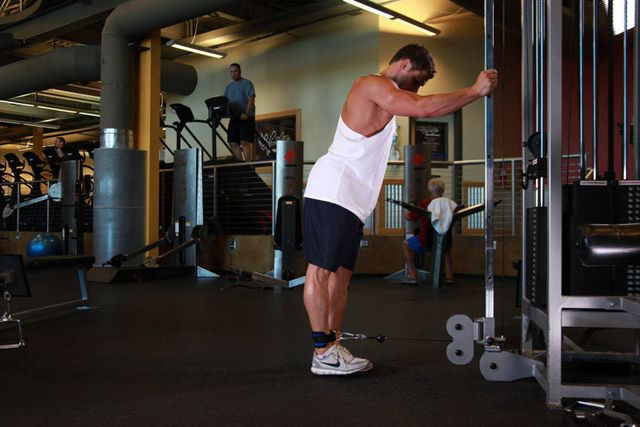 One-Legged Cable KickbackCable · Intermediate
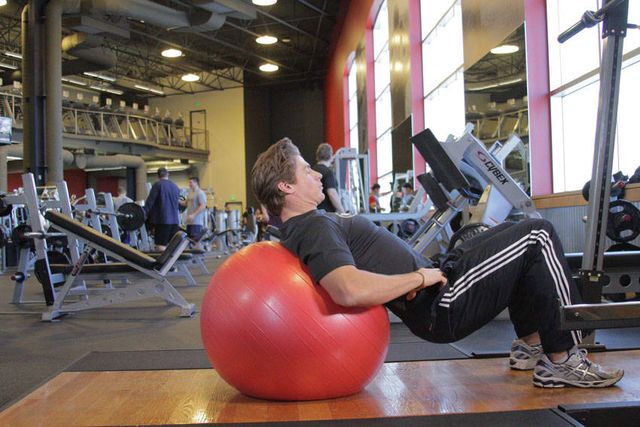 Physioball Hip BridgeExercise ball · Beginner
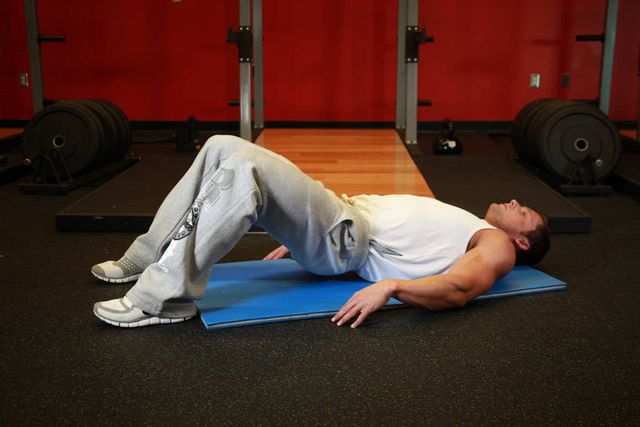 Butt Lift (Bridge)Bodyweight · Beginner
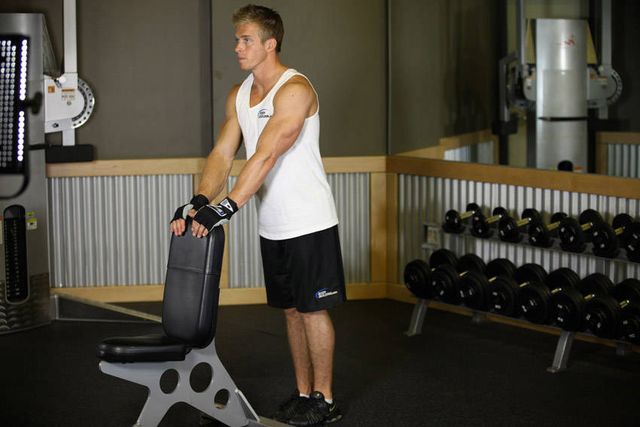 Leg LiftBodyweight · Beginner
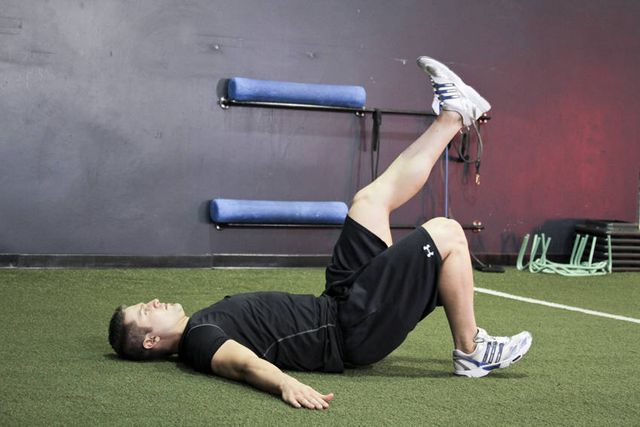 Single Leg Glute BridgeBodyweight · Beginner
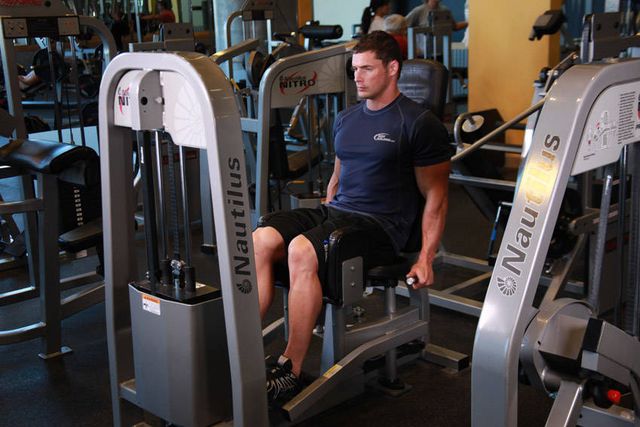 Thigh AbductorMachine · Beginner
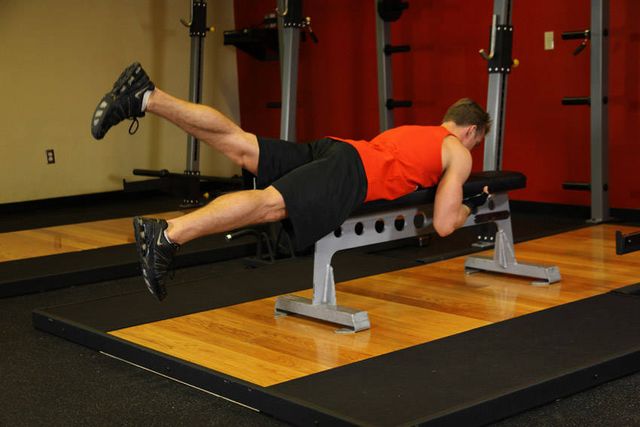 Flutter KicksBodyweight · Beginner
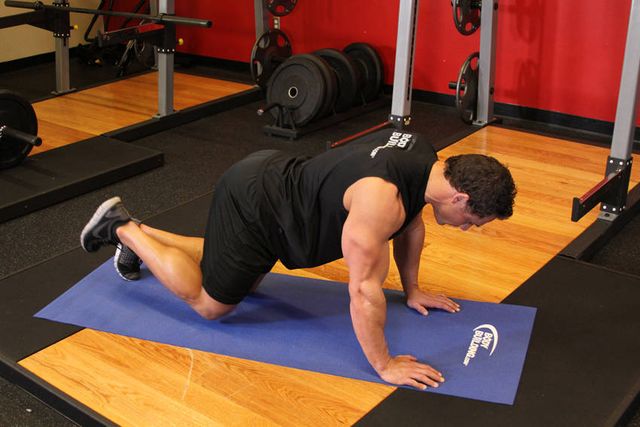 Glute KickbackBodyweight · Beginner
Questions
What muscles does the Downward Facing Balance work?
Mainly the glutes, with the abs and hamstrings helping.
Is the Downward Facing Balance good for beginners?
It's rated intermediate. Beginners can build up to it with Physioball Hip Bridge first.
What can I do instead of the Downward Facing Balance?
Good alternatives that train the glutes: One-Legged Cable Kickback, Physioball Hip Bridge, Butt Lift (Bridge) or Leg Lift.
How many sets and reps of the Downward Facing Balance should I do?
Muscle: 3–4 sets of 10–15 reps, rest 60–90 seconds. Pump or finisher: 2–3 sets of 15–20 reps, rest 45–60 seconds.
Exercise steps and photos: free-exercise-db (public domain).