Skating
A intermediate cardio exercise for the quads, done with a other equipment.
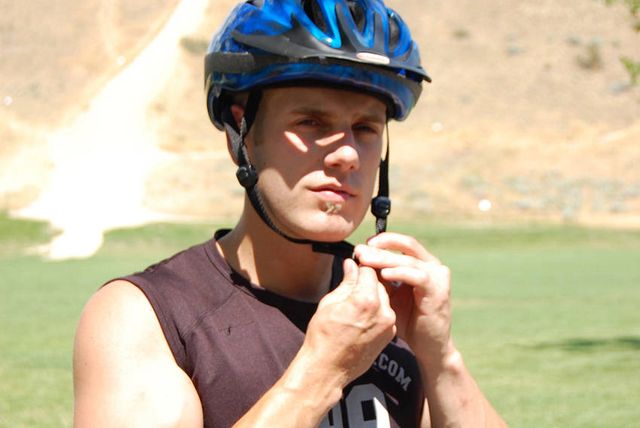
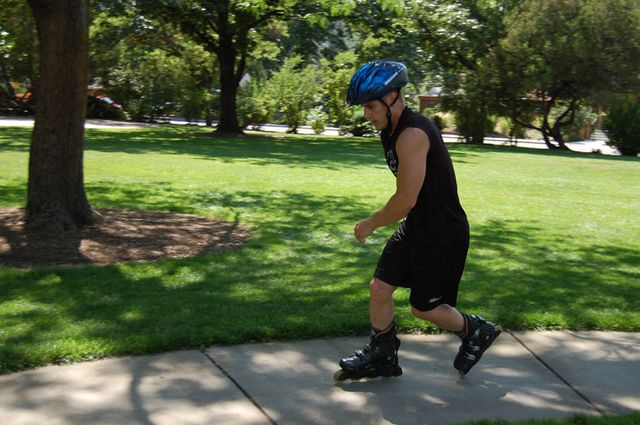
- Main muscles
- Quads
- Also works
- Glutes, Calves and Hamstrings
- Equipment
- Other equipment
- Level
- Intermediate
How to do the Skating
- Roller skating is a fun activity which can be effective in improving cardiorespiratory fitness and muscular endurance. It requires relatively good balance and coordination. It is necessary to learn the basics of skating including turning and stopping and to wear protective gear to avoid possible injury.
- You can skate at a comfortable pace for 30 minutes straight. If you want a cardio challenge, do interval skating — speed skate two minutes of every five minutes, using the remaining three minutes to recover. A 150 lb person will typically burn about 175 calories in 30 minutes skating at a comfortable pace, similar to brisk walking.
Sets and reps
| Conditioning | 3–5 rounds of 20–40 seconds, rest as long as the work |
|---|---|
| Power | 3–5 sets of 3–5 fast reps, full rest |
Log every set in MyoStats and it works out your estimated one-rep max and suggests the next weight or rep target, so you keep progressing without guessing.
Alternatives to the Skating
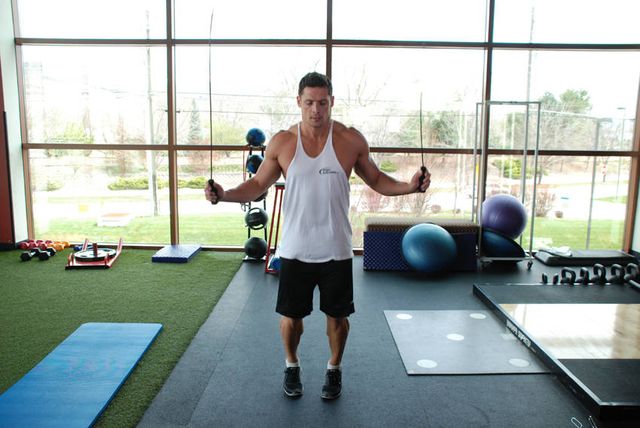 Rope JumpingOther equipment · Intermediate
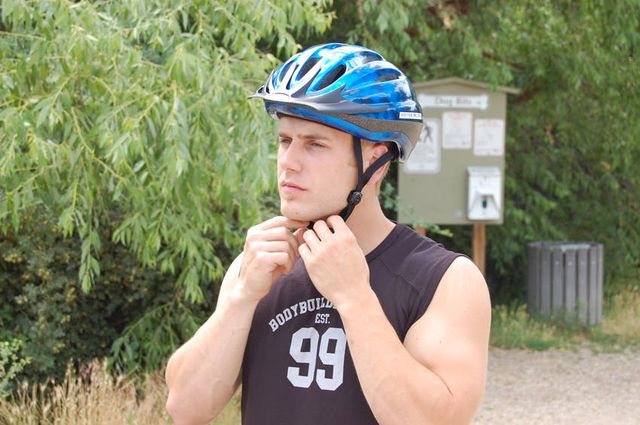 BicyclingOther equipment · Beginner
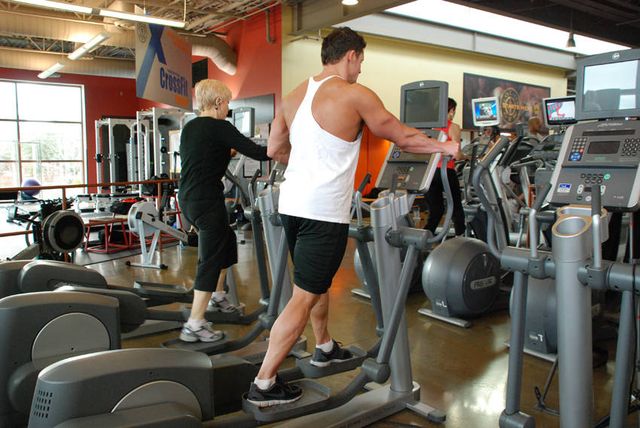 Elliptical TrainerMachine · Intermediate
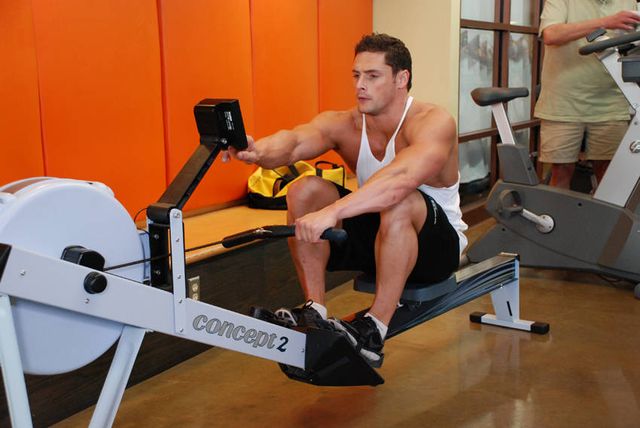 Rowing, StationaryMachine · Intermediate
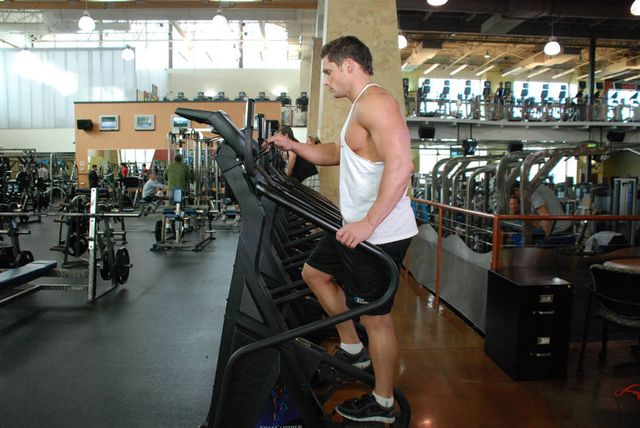 StairmasterMachine · Intermediate
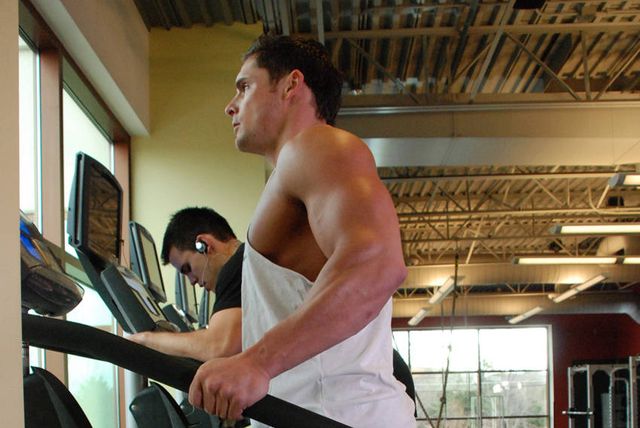 Step MillMachine · Intermediate
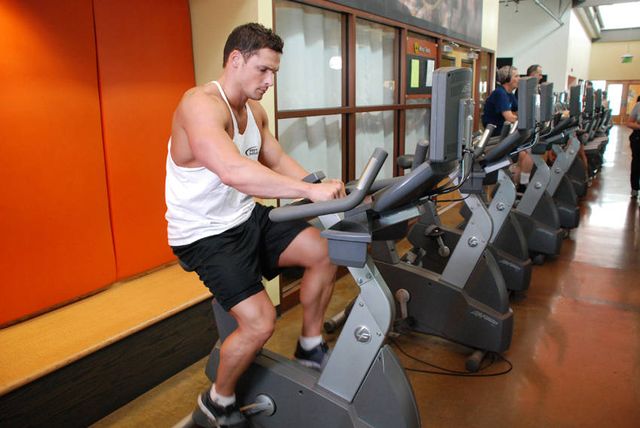 Bicycling, StationaryMachine · Beginner
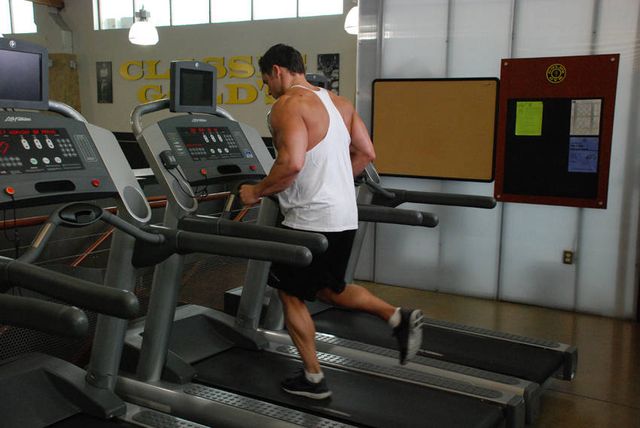 Jogging, TreadmillMachine · Beginner
Questions
What muscles does the Skating work?
Mainly the quads, with the glutes, calves and hamstrings helping.
Is the Skating good for beginners?
It's rated intermediate. Beginners can build up to it with Bicycling first.
What can I do instead of the Skating?
Good alternatives that train the quads: Rope Jumping, Bicycling, Elliptical Trainer or Rowing, Stationary.
How many sets and reps of the Skating should I do?
Conditioning: 3–5 rounds of 20–40 seconds, rest as long as the work. Power: 3–5 sets of 3–5 fast reps, full rest.
Exercise steps and photos: free-exercise-db (public domain).